
Resistant Starch: The Surprising Health Benefit Hiding in Your Leftovers
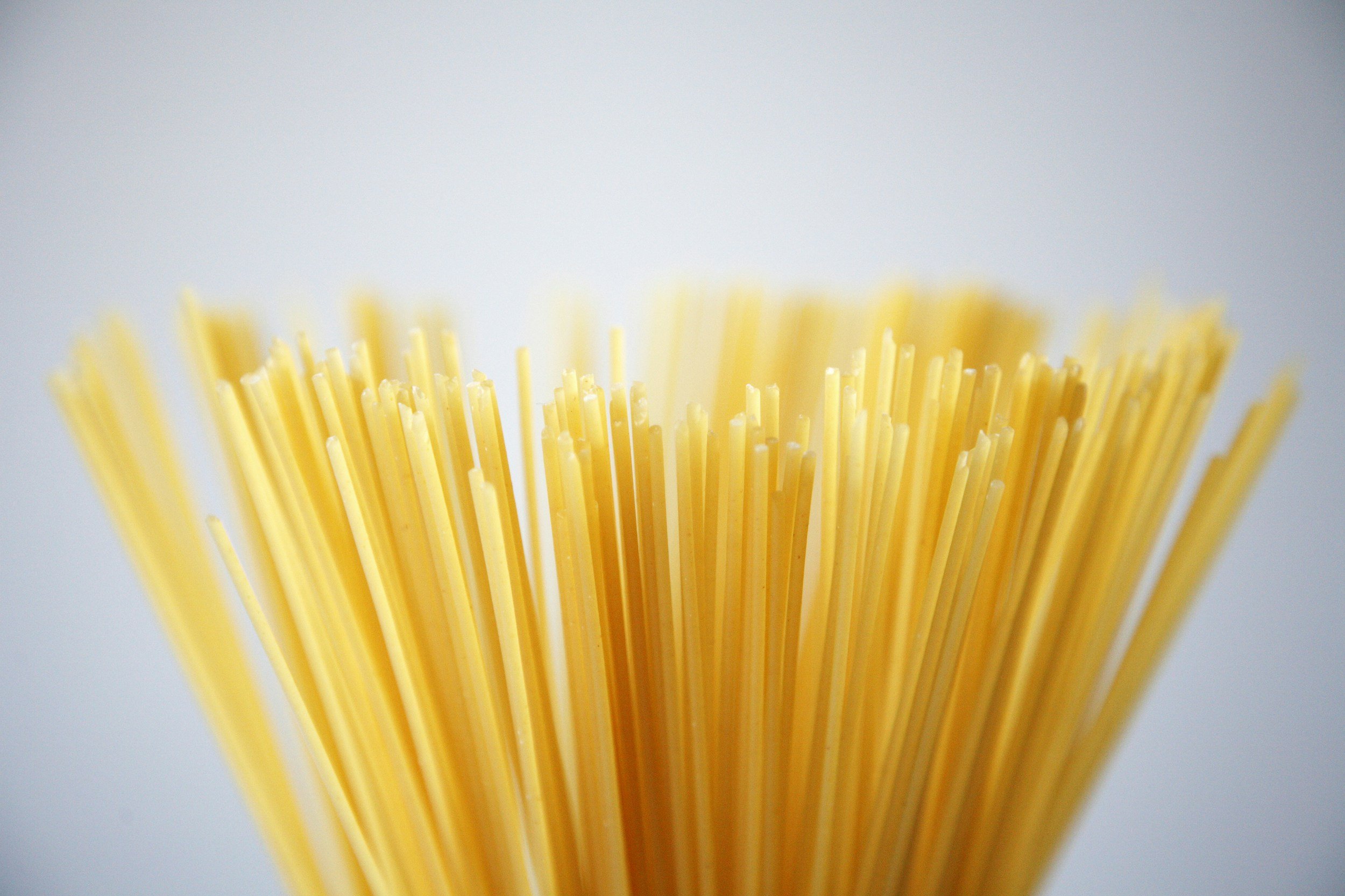
Yesterday’s leftovers might actually be healthier than the meal you ate fresh.
It sounds strange, but it’s true. Certain foods develop something called resistant starch when they’re cooked and then cooled. This simple process can support blood sugar control, gut health and help you feel full for longer..
But here’s what I love most about it…. the health benefit and the time-saving benefit are the same habit. You’re not adding anything to your plate. You’re just looking at what’s already in your refrigerator differently.
The Mental Load Problem (and Why Leftovers Help)
Many of us spend a surprising amount of energy deciding what to eat. Breakfast. Lunch. Dinner. Snacks. Then repeat that every single day.
Decision fatigue is real.
When you have leftovers ready to go, you’ve already done the hard part. The meal is prepared. The ingredients are purchased. The choices are made. You simply open the refrigerator and eat.
The bonus is those leftovers may now contain more resistant starch than they did the day before.
Your leftovers are saving you time, reducing decision fatigue, cutting food waste and potentially giving you a quiet nutritional upgrade in the process.
That’s not a hack, it’s just a smarter way to think about food.
So What Actually Is Resistant Starch?
Resistant starch is a type of carbohydrate that “resists” digestion in the small intestine. Instead of being broken down into glucose and absorbed quickly, it travels to the large intestine where it acts more like fiber, becoming food for the beneficial bacteria living in your gut.
Think of it as a prebiotic: a substance that helps nourish your gut microbiome.
The Health Benefits
A few things resistant starch may support:
Blood sugar management
Because it isn’t digested as quickly as regular starch, it can help reduce blood sugar spikes after meals. It won’t turn a cookie into a health food, but the same foods eaten as leftovers may have a gentler impact on blood sugar than when eaten fresh.
Gut health
Your gut bacteria ferment resistant starch and produce short-chain fatty acids, particularly butyrate, which help support a healthier digestive environment.
Fullness
Many people find meals containing resistant starch more satisfying, which can make it easier to avoid mindless snacking between meals.
It is worth noting however, that resistant starch is just a nudge, not a transformation. It’s one small tool among many.
How Does It Form?
When certain starchy foods are cooked, their starch structure changes. As they cool, some of that starch reorganizes into a form your body has a harder time digesting. This process is called retrogradation.
The good news is you don’t have to eat these foods cold. Gentle reheating still preserves some of the resistant starch that formed during cooling.
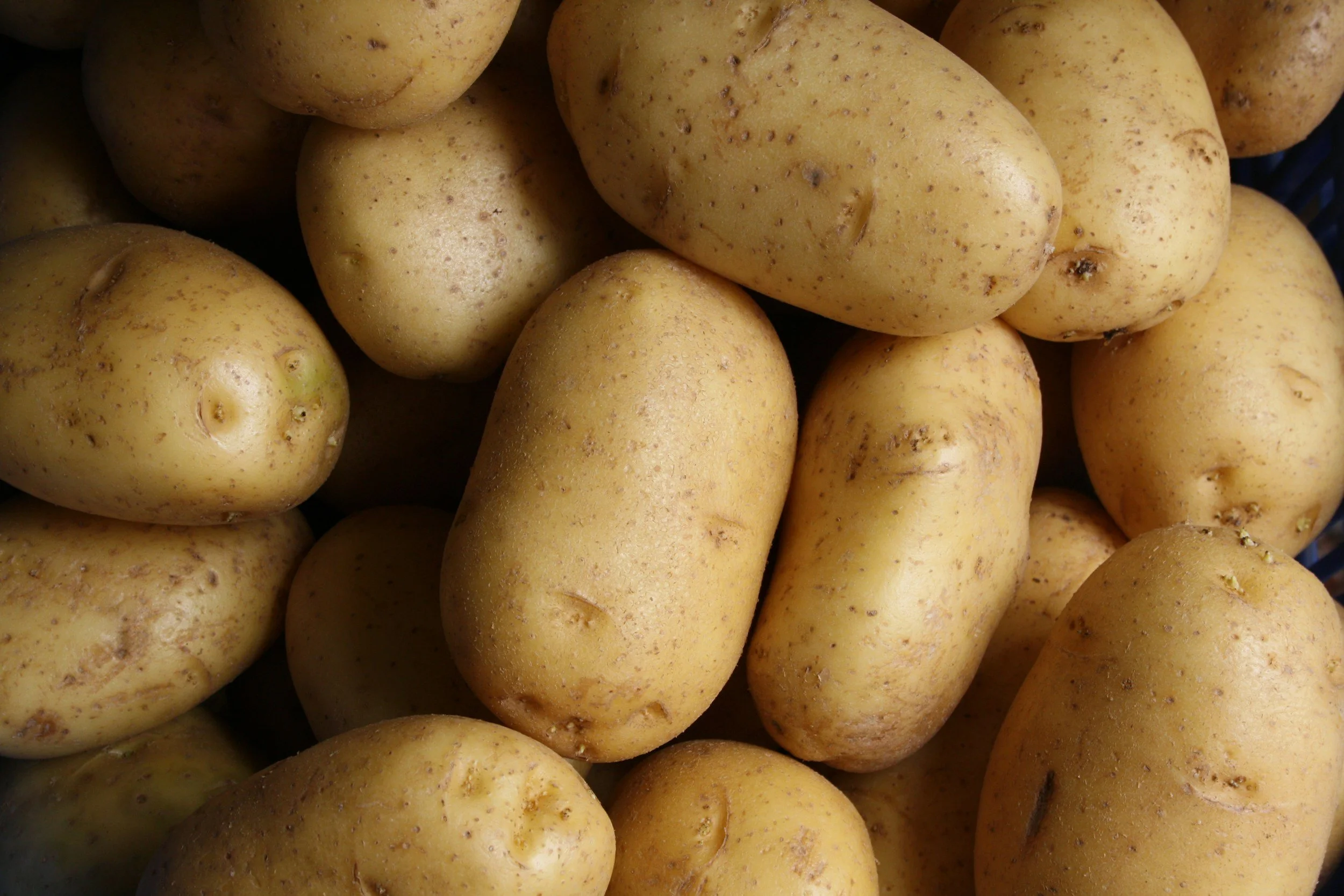
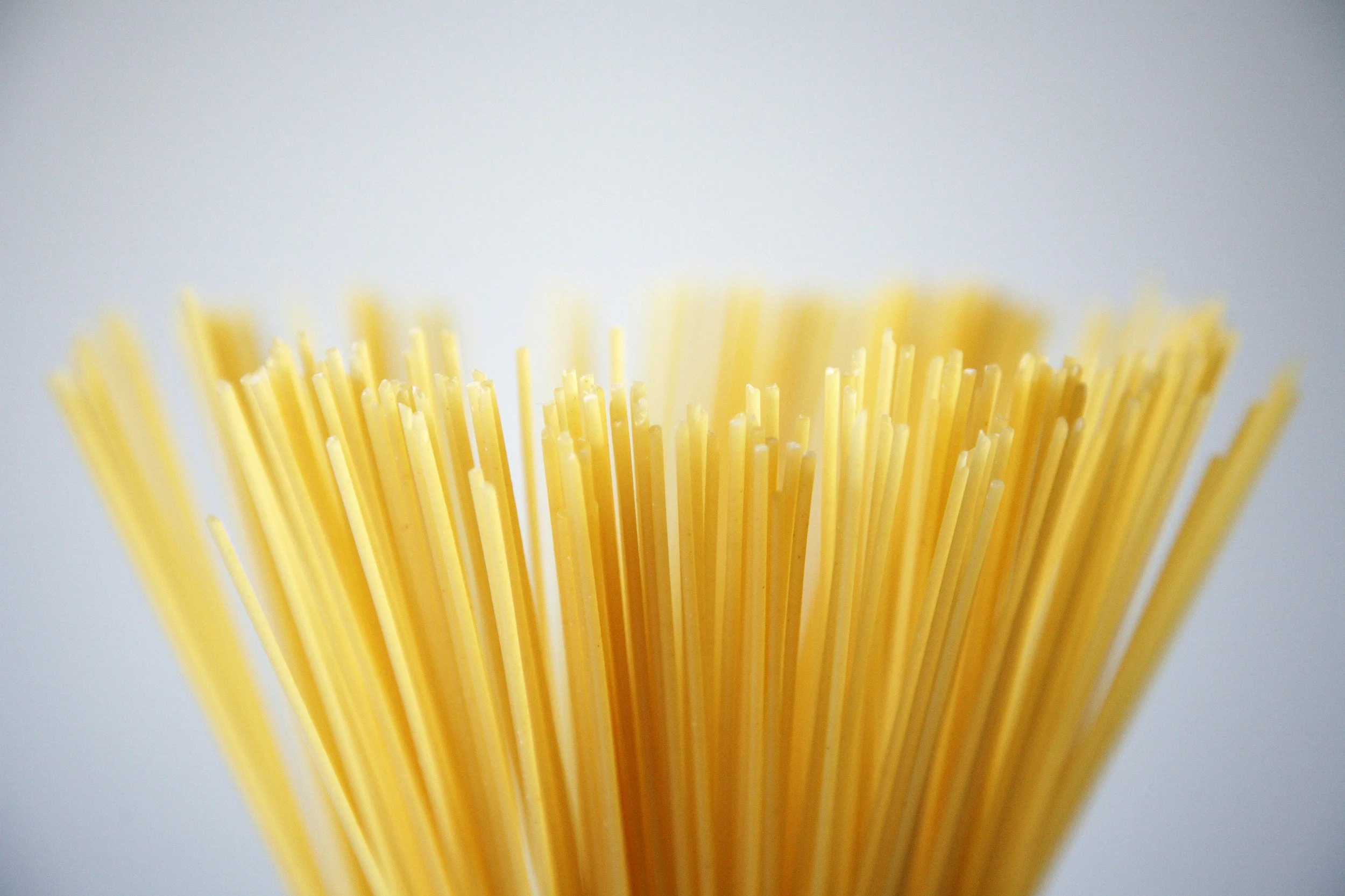
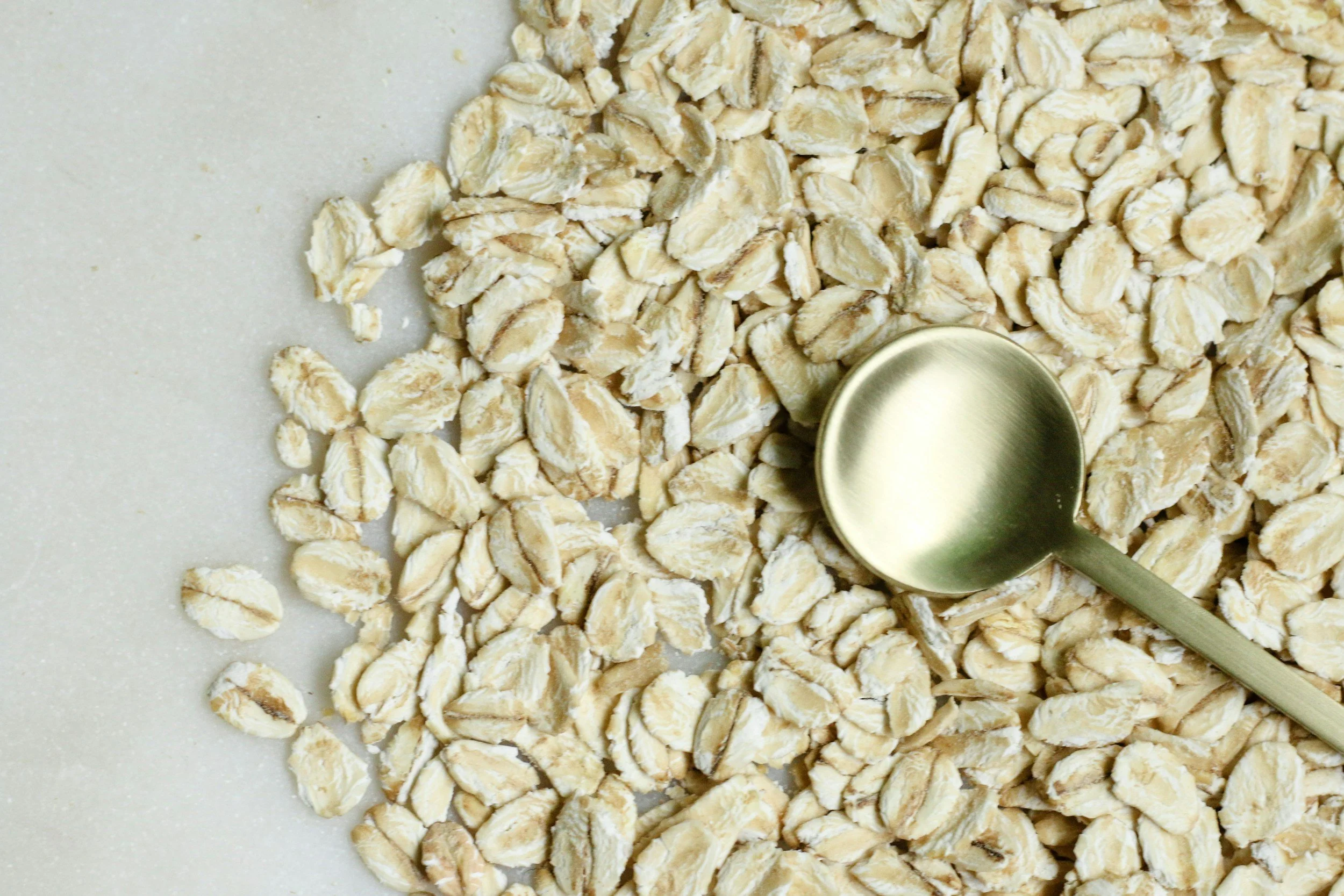
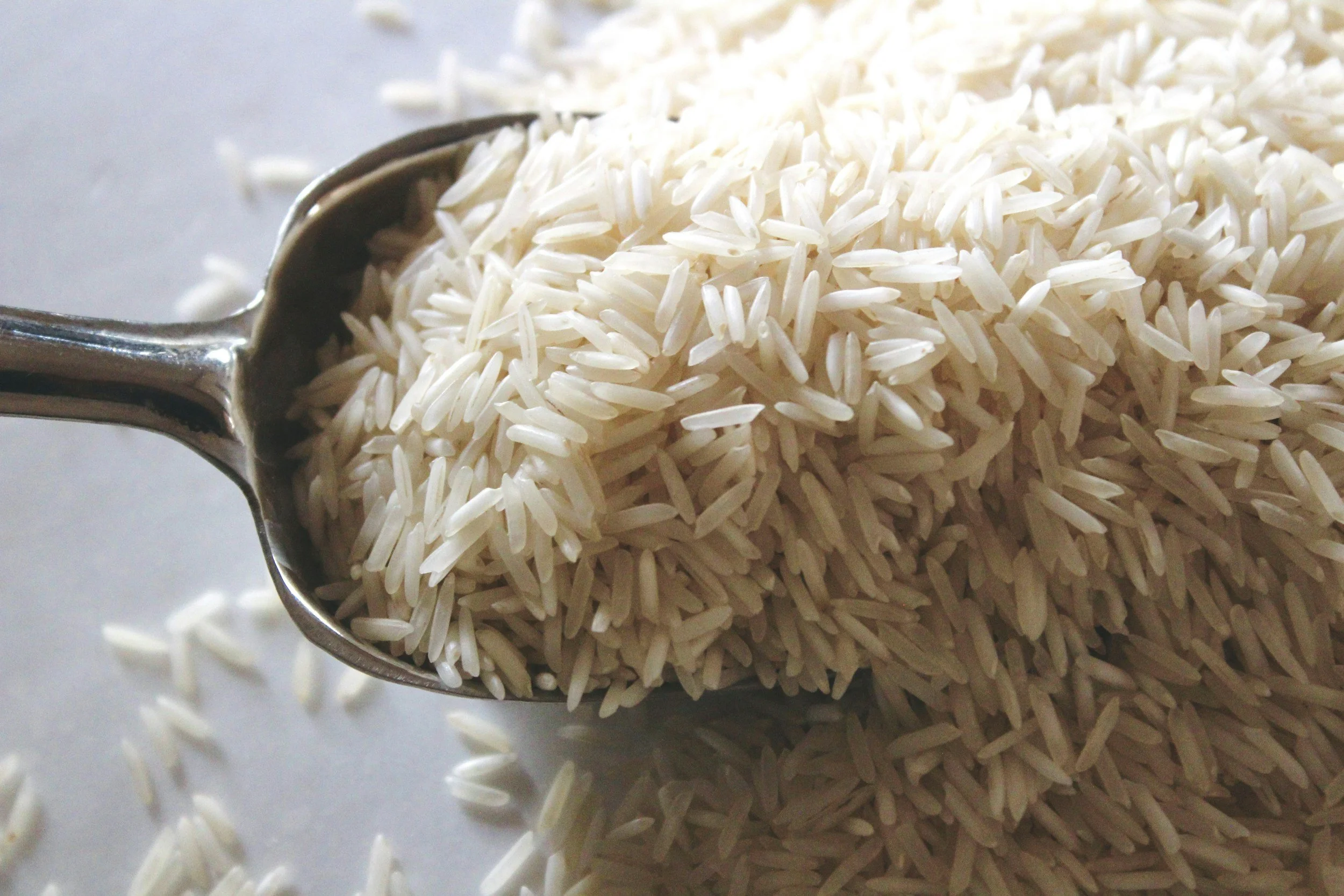
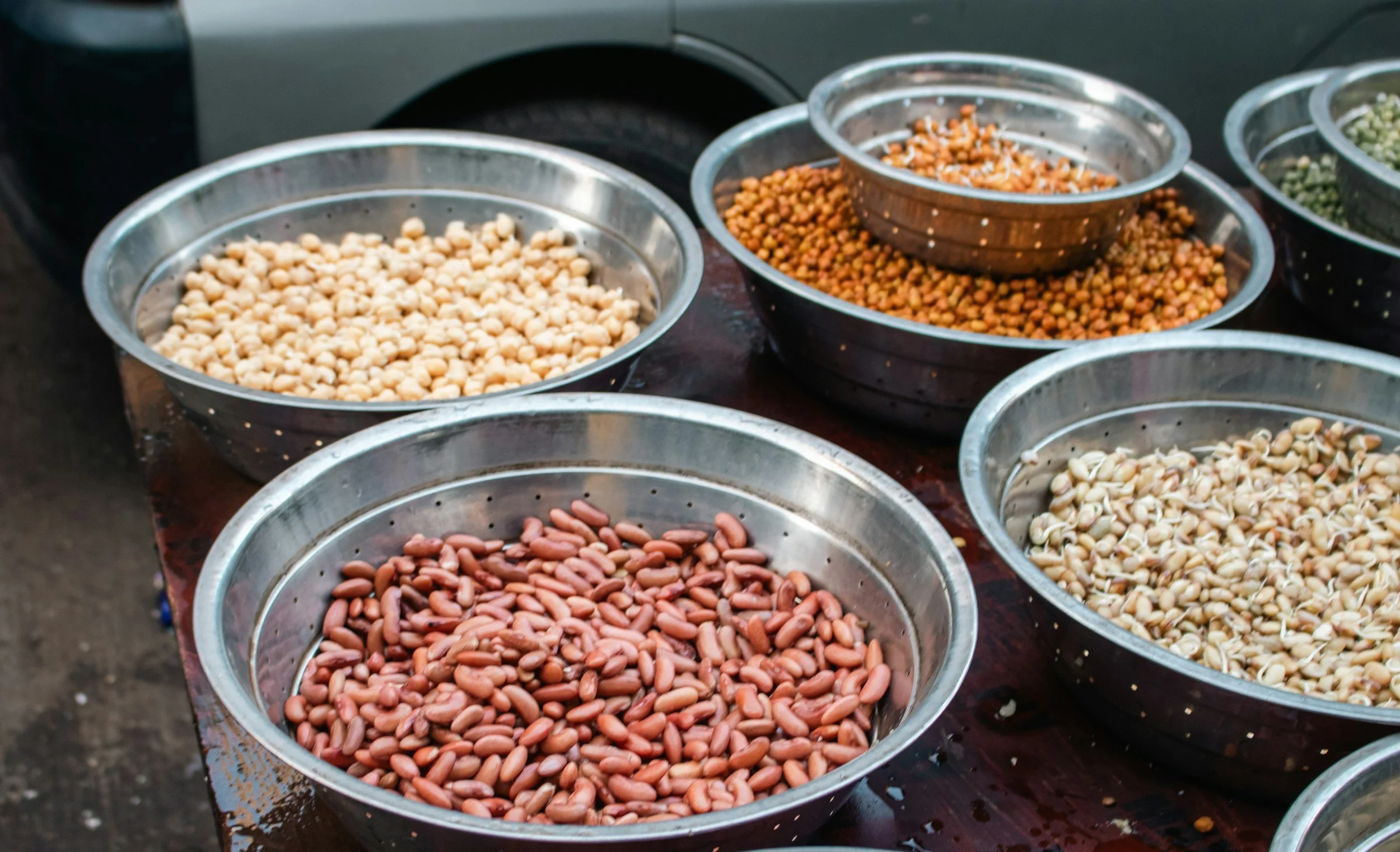
The foods most associated with this effect are shown above
Easy Ways to Add More
No complicated recipes or specialty products are required.
Make extra rice. Cook a larger batch with dinner and save some for tomorrow. Use it in grain bowls, stir-fries, or salads.
Prep potatoes ahead of time. Boil or roast them and refrigerate. Pull them out for potato salad, breakfast hash, or a quick side dish.
Embrace pasta salad. Whole wheat pasta with vegetables, beans, and a simple vinaigrette is an easy lunch that pulls double duty nutritionally.
Try overnight oats. A convenient breakfast that may contain more resistant starch than freshly cooked oats.
Keep beans on hand. They naturally contain resistant starch and slot easily into soups, salads, grain bowls and wraps.
A Practical Takeaway
You don’t need to overhaul your diet to benefit from resistant starch. Cook a little extra rice, potatoes, pasta, or oats and enjoy them later.
Sometimes healthy eating isn’t about finding the perfect superfood. Sometimes it’s about appreciating what’s already sitting in your refrigerator and that is a strategy busy people can actually stick with.
Want Support ?
If you’re ready to stop chasing quick fixes and start creating lasting change, I’d love to help.
Book a free call and learn how one-on-one coaching can support your health goals.